

The SmartShop Series CNC routers excel at delivering unparalleled cut quality and consistency. Designed with the user in mind, you’ll see dramatically increased output and efficiency in all you do. From cabinetmakers to signmakers, furnituremakers to creatives alike, see why the SmartShop CNC series mark a revolution in performance and amazing value for any shop size and budget. Versatile in production with wood and many other materials, these CNC machines are one of the best CNC routers you’ll find on the market. From 3-axis, 4-axis, to 5-axis CNC routers, these machines will fit every budget, every job.
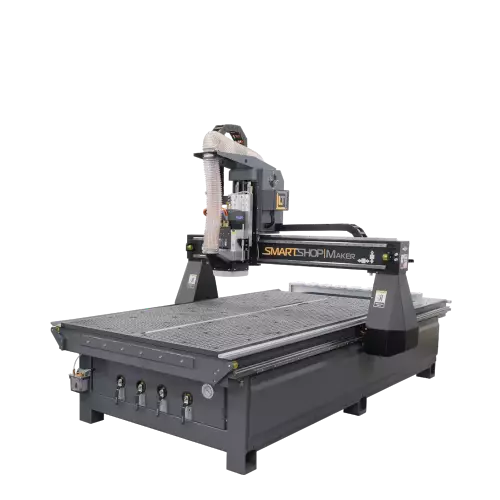
$39,495 – $43,495Price range: $39,495 through $43,495
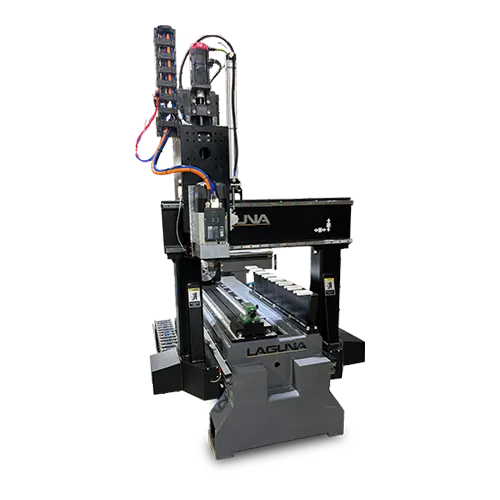
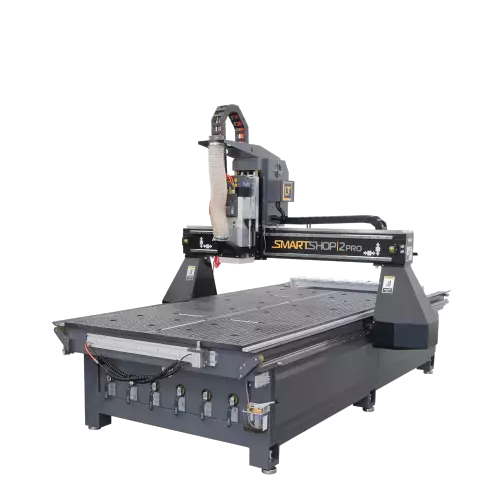
$53,995 – $62,495Price range: $53,995 through $62,495
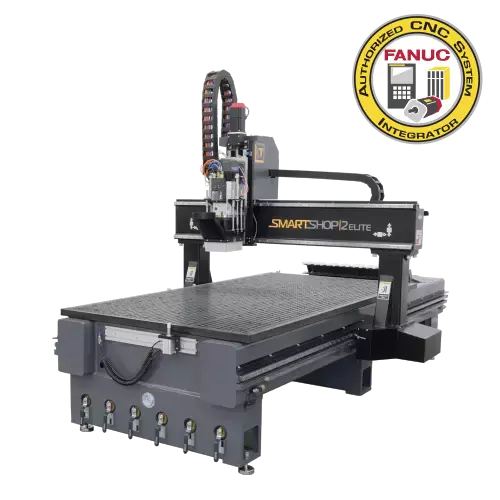
$68,995 – $76,995Price range: $68,995 through $76,995
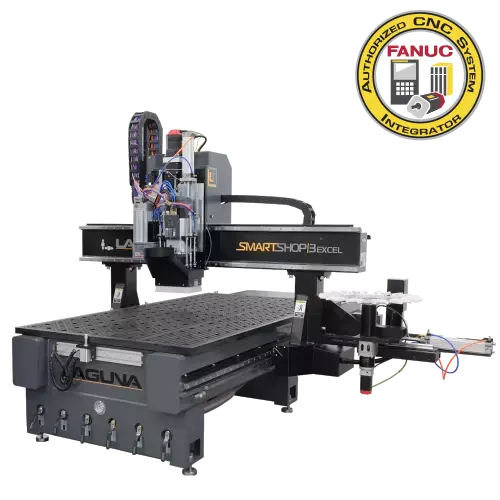
$78,995 – $106,995Price range: $78,995 through $106,995
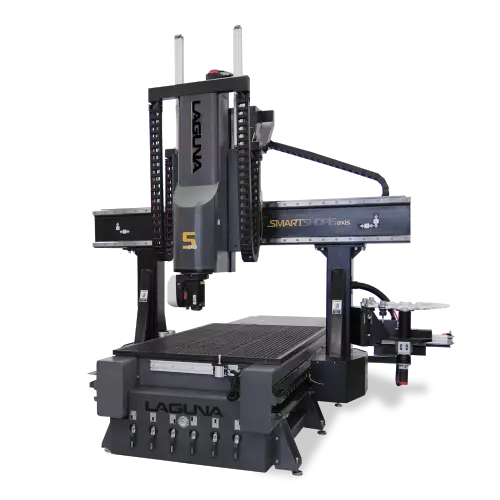
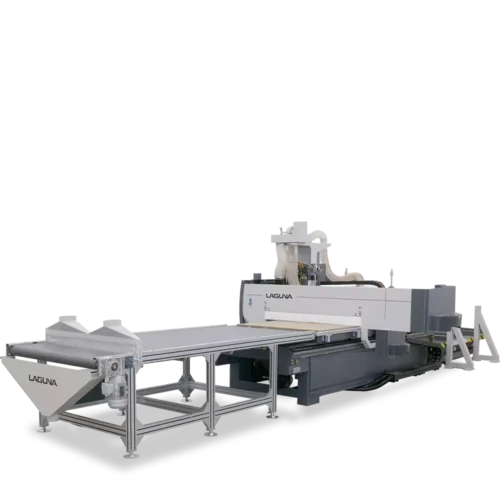
$105,600 – $118,800Price range: $105,600 through $118,800
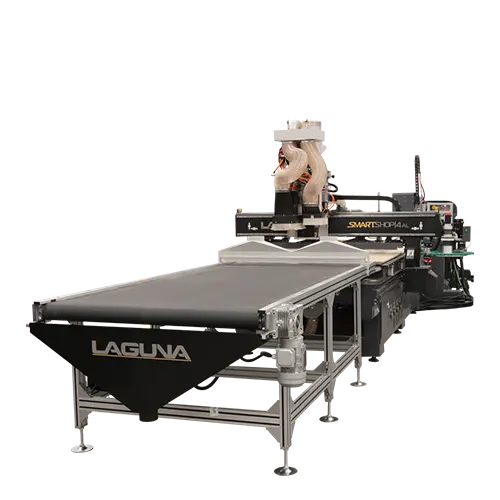
$176,000
Laguna Tools’ Swift series CNC routers offer craftsmen many professional-grade features at budget-friendly pricing. Efficient and affordable even for small shops, these 3-axis CNC routers are low in price and high in quality. Whether you’re looking to grow your business with a larger machine or you’re just searching for great value, these routers will simplify the process of production without forcing you to dig deep into your pockets. 4th axis rotary option available.
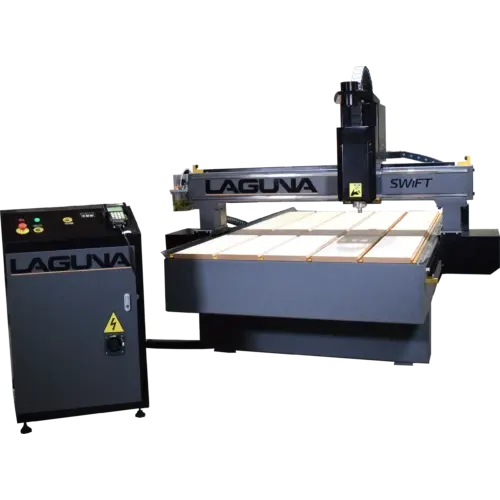
$14,495 – $22,995Price range: $14,495 through $22,995
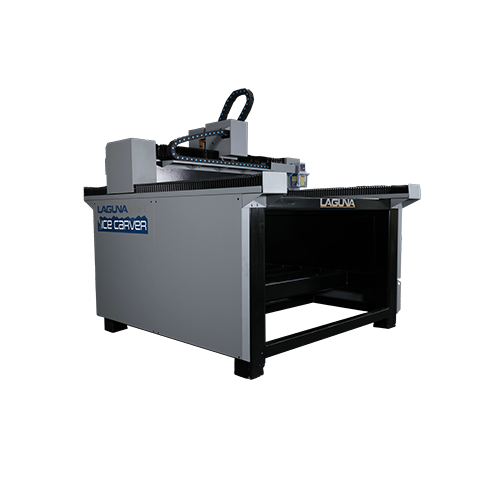
$23,995 – $28,995Price range: $23,995 through $28,995

$18,995 – $25,495Price range: $18,995 through $25,495
Wildly popular among hobbyists, our iQ series of desktop CNC routers consist of space-saving machines at affordable prices. As excellent starter models, these CNC routers can produce a wide variety of designs with tremendous precision.

$15,495
Our Turner series CNC lathes are perfect for woodworkers looking to create a wide range of designs. These CNC lathes are capable of producing more than just everyday wood turnings. From six-foot decorative wooden columns to baseball bats, our CNC lathes can craft countless shapes repeatedly, consistently, quickly, and flawlessly.
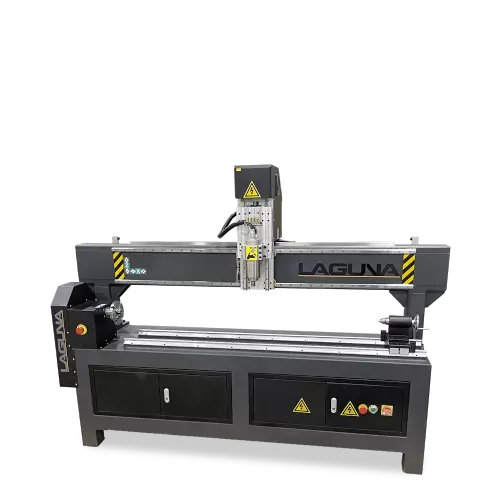
$15,830 – $23,751Price range: $15,830 through $23,751
Choosing the right wood CNC machine starts with understanding how you plan to use it—your project types, shop space, and production goals. Laguna Tools offers a range of CNC solutions that cover everything from compact desktop systems to full-scale production routers and dedicated turning machines. By narrowing down the machine type first, you can quickly identify which models best fit your workflow before diving into specific product details.
Desktop and small-shop CNC machines are ideal for users working with limited space or focusing on smaller projects. These machines are commonly used by hobbyists, small businesses, and shops expanding into CNC without committing to a large footprint. They offer precise cutting, carving, and engraving capabilities while remaining accessible and easy to integrate into an existing workspace. For lighter production, prototyping, or custom one-off work, they provide a practical and cost-effective entry point into CNC woodworking.
Full-size CNC routers are designed for shops that need more capacity, faster output, and the ability to handle larger materials. These machines are a natural step up from desktop systems, offering expanded work areas and stronger performance for sheet goods, cabinetry, and furniture production. They support higher throughput and more consistent results, making them a strong fit for businesses moving into repeatable, production-level workflows without sacrificing flexibility for custom jobs.
The number of axes determines how complex your cuts and designs can be.
For most shops, a 3-axis machine covers everyday needs, while 4-axis and 5-axis options expand your capabilities as your projects become more advanced.
A CNC router is designed primarily for flat and panel-based work, but for cylindrical woodworking, a CNC turner is often the better fit. CNC turning machines are built specifically for producing round parts such as table legs, columns, balusters, and decorative spindles. If your work involves consistent production of turned components, a dedicated CNC turner provides greater efficiency, accuracy, and repeatability than adapting a router for the same tasks.
When comparing wood CNC machines, it’s important to focus on the features that directly impact how you work day to day. The right combination of size, power, and automation can significantly improve efficiency, reduce setup time, and expand the types of projects your shop can take on.
Table size determines the maximum size of material you can work with and how efficiently you can process jobs. Smaller tables are well-suited for custom pieces, signage, and detailed work, while larger tables allow you to handle full sheets of plywood or MDF without additional cutting. For production environments, a larger work area can reduce material handling and improve workflow by allowing you to complete more parts in a single setup.
Spindle power affects how quickly and effectively your machine can cut through different types of wood and materials. Lower-powered spindles are suitable for lighter-duty work and softer materials, while higher-powered spindles handle hardwoods, thicker cuts, and longer production runs more efficiently. Choosing the right spindle ensures smoother cuts, reduced tool wear, and better overall performance for your specific projects.
Features like vacuum tables, automatic tool changers, and other automation options can greatly improve workflow efficiency. A vacuum table helps hold materials securely in place without clamps, speeding up setup and improving accuracy. Automatic tool changers allow the machine to switch tools during a job without manual intervention, reducing downtime and enabling more complex operations. These features are especially valuable for shops transitioning from occasional CNC use to consistent, repeatable production.
Rotary and multi-axis capabilities expand what your machine can produce. A rotary attachment allows you to machine cylindrical parts, while additional axes enable more complex carving and shaping without repositioning the workpiece. These features become increasingly valuable for projects involving detailed carvings, sculpted components, or multi-sided parts, helping you take on more advanced and custom work.
Wood CNC machines are used across a wide range of woodworking applications, from high-volume production to custom creative work. Understanding what these machines can produce helps you match the right equipment to your business or project goals.
CNC machines are widely used in cabinetry for producing panels, cabinet boxes, doors, drawers, and other components with precision and consistency. They streamline repetitive cutting processes, reduce manual labor, and ensure accurate fits across large production runs. For shops focused on built-ins and cabinetry, CNC routers become a central part of the workflow.
From structural components to decorative details, CNC machines support a wide range of furniture production needs. They can cut shaped parts, create joinery, and carve decorative elements with repeatable accuracy. This makes them valuable for both production furniture shops and custom builders looking to maintain consistency while still offering unique designs.
Wood CNC machines are also popular for signage, engraving, and artistic applications. They allow users to create detailed carvings, lettering, and custom designs with a high level of precision. Whether producing branded signage or one-off creative pieces, these machines provide the flexibility to handle both commercial and artistic projects.
For projects involving round or cylindrical components, such as table legs, columns, and balusters, CNC turning machines are the preferred solution. They are designed specifically for rotational work, delivering consistent results across repeated parts. This capability complements CNC routers by covering a different category of woodworking applications within the same production environment.
The best CNC machine for a small shop depends on your available space, the size of your projects, and how often you plan to use it. If you’re working on smaller items like signs, carvings, or custom parts, a desktop or compact CNC machine is often the most practical choice. It gives you precision without taking up too much room. If your work includes cabinetry or larger panels, you may want to consider a mid-size or full-table machine—even in a smaller shop—so you’re not constantly resizing materials. The goal is to match the machine’s footprint and work area to your typical projects while leaving room to grow.
Wood CNC machines are incredibly versatile and support a wide range of woodworking projects. Common outputs include cabinet components like panels, doors, and drawers; furniture parts such as legs, frames, and decorative elements; and signage with engraved or carved details. They are also used for custom carvings, artistic designs, and one-off pieces. With the right setup, CNC machines can handle both repeatable production work and creative, custom projects, making them a valuable tool across many types of woodworking businesses.
The difference comes down to how the machine moves and what kind of parts it can create.
For most shops, a 3-axis machine covers everyday needs, while 4-axis and 5-axis options become valuable as projects get more complex.
Table size should be based on the materials you use and the size of the parts you produce. If you regularly work with full sheets of plywood or MDF, a larger table allows you to process those materials without cutting them down first, saving time and effort. For smaller custom work, a compact table may be more efficient and easier to manage. Production volume also plays a role—larger tables can handle more parts in a single setup, improving workflow. The key is to choose a size that fits your current workload while supporting the type of projects you want to take on.
A CNC router is the right choice for flat or panel-based work, such as cutting sheets, carving designs, and producing cabinet or furniture components. A CNC turner, on the other hand, is designed specifically for cylindrical parts like table legs, columns, balusters, and spindles. If your work is mostly flat or sheet-based, a router will handle the majority of your needs. If you frequently produce round or turned components, a CNC turner is the better and more efficient option. Many shops use both to cover the full range of woodworking applications.

We use cookies to improve your experience on our site. By using our site, you consent to cookies.
Manage your cookie preferences below:
Essential cookies enable basic functions and are necessary for the proper function of the website.
Amazon Web Services provides a comprehensive suite of cloud computing services for scalable, reliable solutions.
Google Tag Manager simplifies the management of marketing tags on your website without code changes.
Service URL: legal.hubspot.com (opens in a new window)
Service URL: wpengine.com (opens in a new window)
Pinterest Tag is a web analytics service that tracks and reports website traffic.
Service URL: policy.pinterest.com (opens in a new window)
WooCommerce is a customizable eCommerce platform for building online stores using WordPress.
Statistics cookies collect information anonymously. This information helps us understand how visitors use our website.
Google Analytics is a powerful tool that tracks and analyzes website traffic for informed marketing decisions.
Service URL: policies.google.com (opens in a new window)
Hotjar is a powerful analytics tool that helps you understand user behavior through heatmaps and session recordings.
HubSpot is an all-in-one marketing, sales, and customer service platform that streamlines business growth.
SourceBuster is used by WooCommerce for order attribution based on user source.
This cookie stores a unique identifier for each visitor. It allows ZoomInfo to recognize returning users across sessions, helping the service maintain accurate visitor records and support analytics.
Service URL: www.zoominfo.com (opens in a new window)
Marketing cookies are used to follow visitors to websites. The intention is to show ads that are relevant and engaging to the individual user.
Bing, powered by Microsoft, is a search engine providing web, image, video, and map search capabilities.
Facebook Pixel is a web analytics service that tracks and reports website traffic.
Service URL: www.facebook.com (opens in a new window)
Google Analytics is a powerful tool that tracks and analyzes website traffic for informed marketing decisions.
Service URL: policies.google.com (opens in a new window)
Microsoft is a leading technology company known for software, hardware, and cloud solutions, enhancing productivity worldwide.
Pinterest is a visual discovery platform for sharing and exploring creative ideas through images and links.
You can find more information in our Cookie Policy and Laguna Tools Privacy Policy: Data Use, Cookies & Opt-Out.